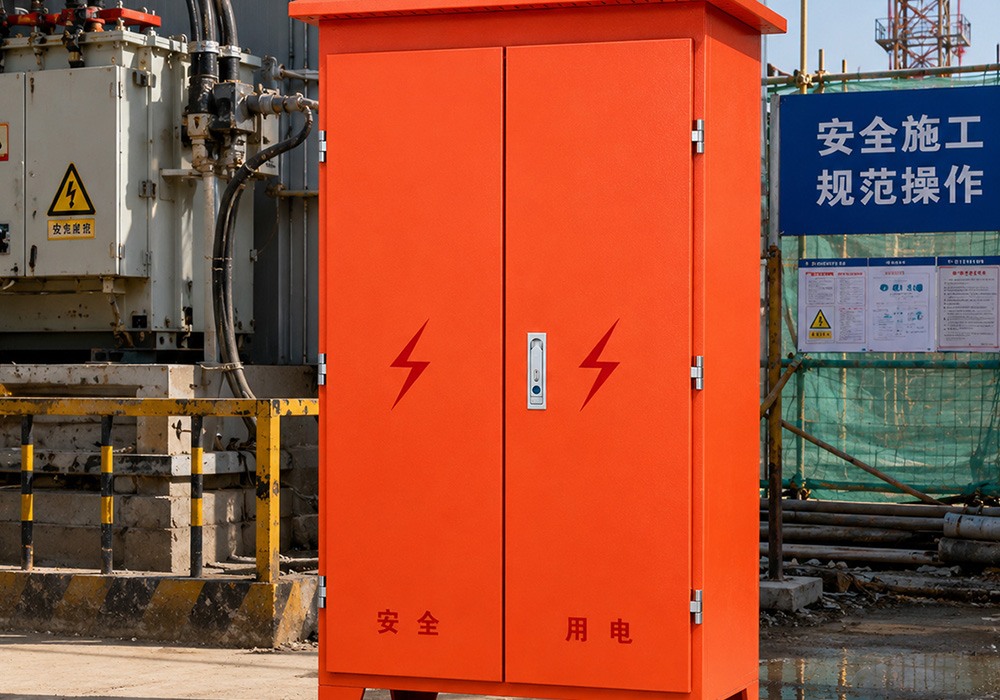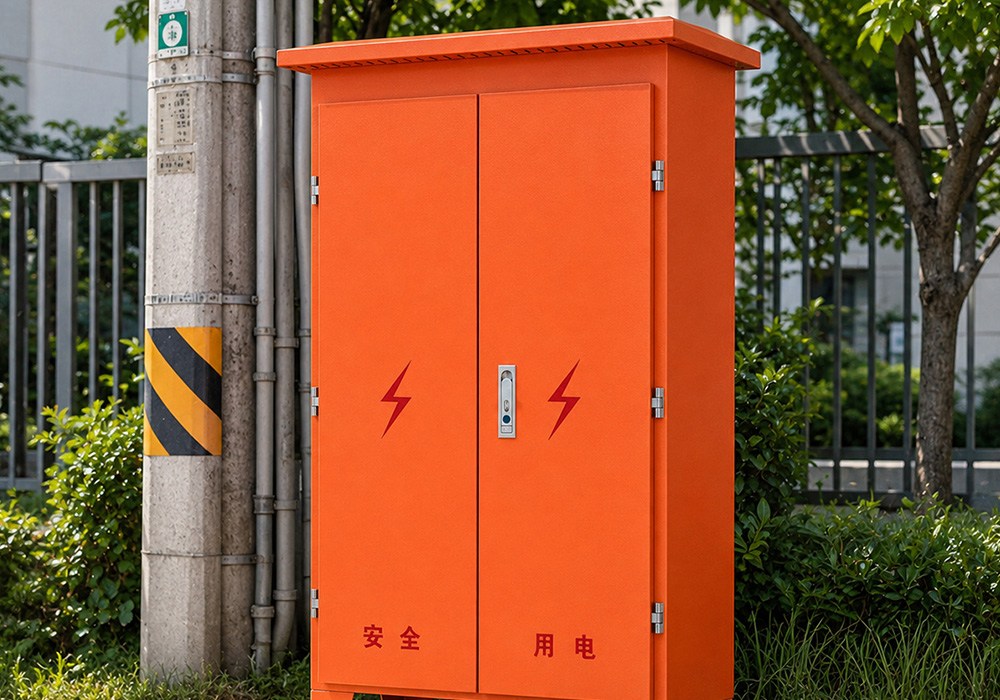
In modern construction, renovation, and infrastructure projects—ranging from residential complexes and commercial buildings to offices and industrial facilities—low-voltage distribution and information management equipment are essential. Electricity meter boxes and multimedia information boxes (often called “low-voltage boxes”) are core components; they directly impact the safety of electricity metering, the stability of network communications, and the neatness of wiring. Procurement professionals and contractors often confuse the functions and applications of these two products, leading to rework, poor equipment compatibility, and maintenance headaches. Jinan Ruiteng Technology Co., Ltd. specializes in the R&D and manufacturing of electrical auxiliary equipment. Its comprehensive product lineup—including meter boxes, multimedia information boxes, power distribution boxes, and switches/sockets—meets the needs of residential, commercial, and industrial applications.
First, consider the electricity meter box: a specialized enclosure designed to house and protect electricity meters and associated power lines. These are primarily used in residential complexes, apartment buildings, commercial shops, and factory dormitories. A high-quality meter box must offer excellent insulation, waterproofing, dustproofing, and corrosion resistance. It also requires a robust structure and easy access, allowing utility personnel to read meters and perform maintenance efficiently. Ruiteng Technology’s meter boxes are constructed from high-strength materials that are flame-retardant, impact-resistant, and age-resistant. With superior sealing capabilities, they effectively block dust, moisture, and insects, preventing safety hazards such as short circuits caused by dampness or electrical leakage. This ensures the long-term, stable operation of the meter, making them ideal for standard residential electricity metering.
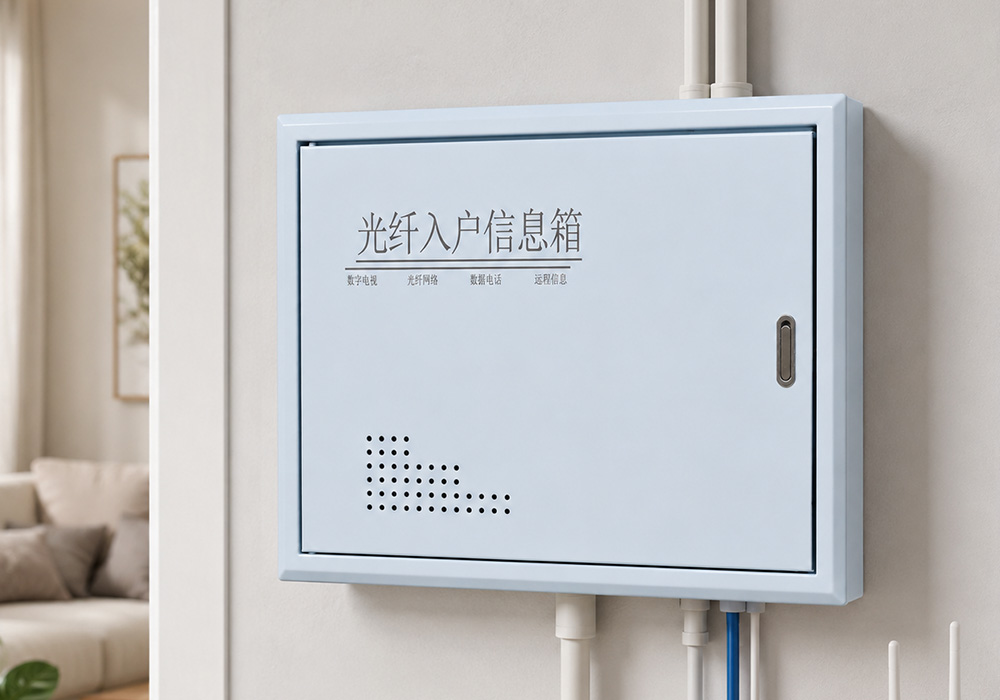
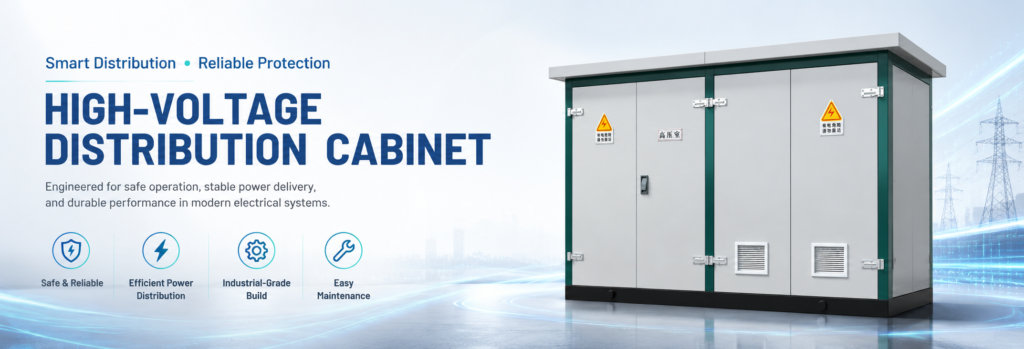
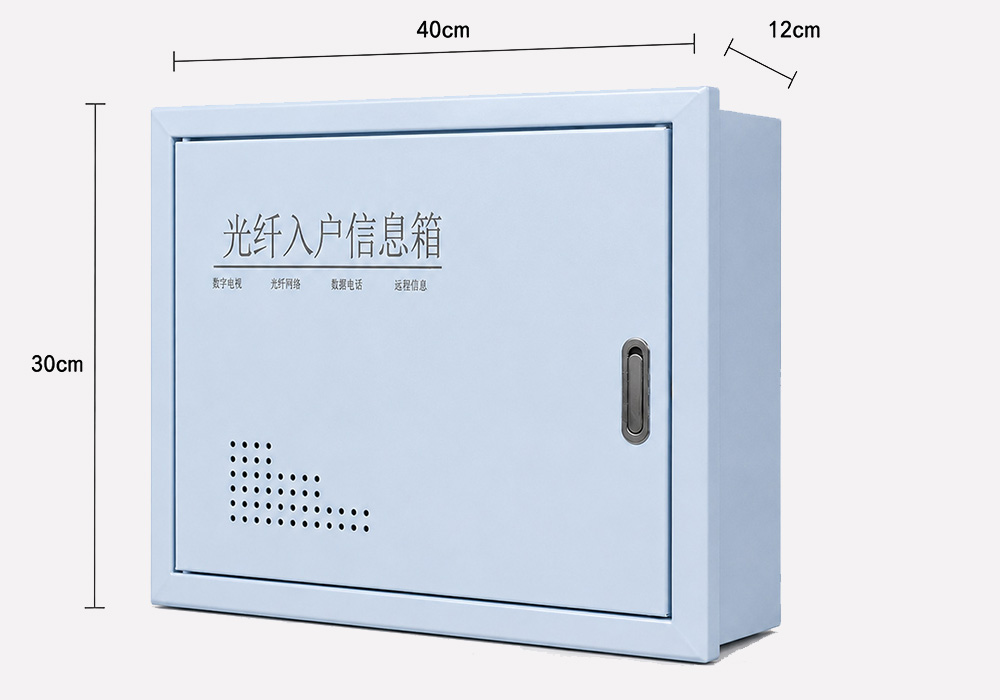
Multimedia information boxes—also known as low-voltage boxes—are designed to house low-voltage equipment and cabling, such as fiber-optic lines, network cables, routers, and TV signal cables. They are core components of modern smart homes and network communication systems. Traditional renovation projects often overlook these boxes, resulting in messy wiring, signal interference, and exposed equipment that accumulates dust and suffers damage. Ruiteng Technology’s multimedia information boxes feature a minimalist, modular design with ample internal space to flexibly accommodate various low-voltage devices. They offer excellent heat dissipation and signal shielding to minimize interference and ensure stable network and TV signals. Additionally, they organize wiring and enhance the aesthetic appeal of the interior, making them suitable for both residential and commercial projects. In addition to electricity meter boxes and multimedia information boxes, Jinan Ruiteng Technology manufactures a comprehensive range of electrical products—including various specifications of distribution boxes, main distribution cabinets, low-voltage distribution cabinets, and switches and sockets—enabling one-stop procurement for both high-voltage (power) and low-voltage (data/signal) equipment. All products undergo rigorous factory quality inspections and comply with national electrical safety standards; offering excellent value and durability, they are widely suitable for projects ranging from new home renovations and housing refurbishments to large-scale residential developments, commercial building construction, and industrial facility upgrades.
Leveraging extensive manufacturing experience, a diverse product portfolio, and reliable quality, Ruiteng Technology consistently supplies premium electrical components to contractors, renovation firms, and corporate buyers. By addressing common pain points—such as the difficulty of equipment selection, fragmented procurement processes, and inconsistent quality—the company has established a seamless, one-stop procurement service system for electrical equipment.